Wild Hunt Font for Bold Editorial Design
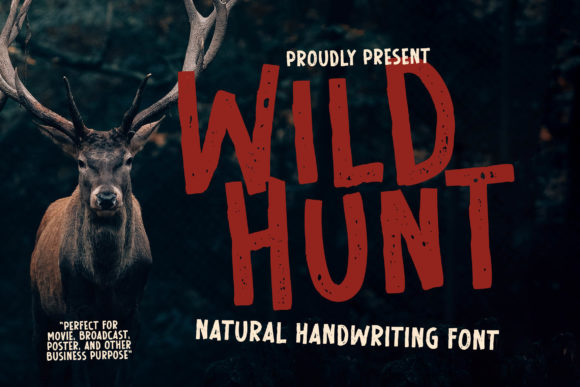
As a content creator or editorial designer, you understand the power of typography in shaping your publication’s visual tone and reader experience. Wild Hunt is a display font that brings a unique edge to your designs with its cool, rough-textured character set. This versatile typeface isn’t just another decorative font — it's a tool that can elevate everything from article headers to brand identities, adding an air of authenticity and artistic flair.
Wild Hunt for Magazine Covers and Digital Publication Branding
Magazine covers and digital publications often need something memorable to stand out in crowded feeds or newsstands. Wild Hunt delivers exactly that with its textured strokes and confident presence. Its display nature makes it ideal for short bursts of text where impact matters most. When used on magazine covers, this display font can evoke a sense of adventure, creativity, or bold storytelling depending on the theme of your issue.
If you're working on branding for a new blog or digital magazine, consider using Wild Hunt as part of your title treatment. The font’s distinct personality helps build a strong identity, making your publication instantly recognizable. Pair it with a clean serif or sans serif body font to maintain readability while still embracing the visual punch Wild Hunt provides.
Creating Visual Hierarchy with Wild Hunt in Article Layouts
In editorial design, visual hierarchy is key to guiding readers through your content. Wild Hunt excels in establishing clear typographic emphasis when applied to headings, section titles, and pull quotes. Its rough texture draws attention without overwhelming the layout, which is especially useful in long-form articles where consistent styling keeps the reader engaged.
- Headings: Use Wild Hunt for main headings to create a strong focal point.
- Pull Quotes: Highlight impactful lines with this display font for added dramatic effect.
- Section Dividers: Add a touch of grit to break up content visually without disrupting flow.
For example, if you’re designing a travel blog post about rugged mountain expeditions, Wild Hunt can help set the mood right from the start. It complements photography-based layouts and works well in both dark and light backgrounds, ensuring it remains legible and stylish across different media formats.
Wild Hunt in Ebook Titles and Chapter Openers
Ebook creators know how crucial it is to make each chapter opener feel special. Wild Hunt offers the perfect blend of style and strength for such purposes. Whether you're launching a fiction series or a non-fiction guide, this display font can be used to craft compelling titles and chapter headers that resonate with readers.
The font’s adaptability means it can suit a range of genres — from fantasy novels with its edgy look to self-help books where it adds a modern twist. For best results, ensure your ebook format supports high-quality rendering of display fonts, particularly when exporting to PDF or ePub. Wild Hunt maintains clarity at larger sizes, so it’s safe to use for cover text and internal chapter titles alike.
Font Pairing Tips: Wild Hunt with Serif and Sans Serif Fonts
To achieve balance in your design, pairing Wild Hunt with more subdued typefaces is essential. A common approach is to match it with a classic serif font like Garamond or Georgia for body copy, allowing the contrast between the two styles to highlight your content effectively. Alternatively, for a sleeker, contemporary feel, pair Wild Hunt with a minimalist sans serif like Helvetica Neue or Lato for captions, sidebars, or navigation elements.
This kind of font combination ensures that your headlines grab attention while your body text remains easy to read — a must-have for any serious publication. Test your pairings in real-world layouts to see how they work together across screen and print formats.
Using Wild Hunt for Newsletter Headers and Creative Lead Magnets
Email newsletters are one of the most direct ways to connect with your audience. But standing out in an inbox requires more than great content — it needs eye-catching visuals. Wild Hunt is excellent for newsletter headers, especially if your brand leans into boldness and originality. Its textured appearance gives your header a tactile quality that stands apart from standard sans serifs or script fonts.
Lead magnets such as free printable guides or worksheets also benefit from Wild Hunt’s striking style. Use it for titles and section dividers to make your downloadable assets feel premium and professionally designed. Just be mindful of the file format — ensure the display font renders clearly in PDFs and other print-ready materials.
Wild Hunt for Wedding Guides and Lifestyle Content
Wedding planners and lifestyle blogs often require fonts that convey emotion and elegance. While Wild Hunt has a rugged aesthetic, it can be surprisingly refined when used correctly. Think of it as the voice of a bold, adventurous bride or a lifestyle brand that values authenticity over polish.
When designing a wedding guide or planning resource, Wild Hunt can add character to feature headers, quote boxes, and event banners. It pairs well with soft pastel colors and organic textures, creating a harmonious blend of rough and refined. Similarly, for lifestyle bloggers, using this display font in article headers or social media graphics can give your brand a fresh, dynamic edge.
Wild Hunt in Recipe Ebooks and Cooking Blogs
Recipe ebooks and cooking blogs thrive on a mix of practical information and visual appeal. Wild Hunt can bring a rustic or handcrafted vibe to your designs, especially when used for headings like “Breakfast Recipes” or “Weekend Baking.” Its texture adds warmth and a sense of authenticity, aligning well with food photography and ingredient lists.
Use Wild Hunt sparingly in longer paragraphs — it’s not suited for body text. Instead, focus on using it for section headings, pull-out tips, and recipe names. You might even consider embedding it in illustrations or custom icons to reinforce your brand’s creative direction.
Design Consistency and Reader Engagement with Wild Hunt
Consistency in typography is vital for building trust and familiarity with your audience. By using Wild Hunt strategically throughout your publication, you create a unified visual language that readers begin to associate with your brand. This doesn’t mean every headline should be in Wild Hunt; rather, use it intentionally for high-impact sections to maintain its effectiveness.
Engagement is also influenced by how your font choices make readers feel. Wild Hunt introduces a mood — whether it's rebellious, romantic, or raw — that can enhance the emotional tone of your content. In a wellness blog, for instance, it could signal a shift to a more personal or reflective piece. In a sports magazine, it might emphasize action and intensity.
Wild Hunt for Print and Digital Publications
One of the strengths of Wild Hunt is its performance across platforms. On screens, it holds up well in web design and mobile layouts due to its crisp edges and defined characters. In print, its textured nature translates beautifully onto paper, giving physical magazines and guides a more artisanal look.
When preparing for print, always test the font at different sizes and line weights. Some display fonts lose clarity at smaller scales, but Wild Hunt retains its structure and readability even in mid-sized applications. For digital use, check that your platform allows for embedded fonts or includes them in design templates to avoid compatibility issues.
Commercial Use and Licensing Considerations
If you plan to use Wild Hunt in commercial projects such as paid ebooks, client publications, or branded templates, it’s important to confirm the licensing terms. Many display fonts come with restrictions, but assuming this font is available under a commercial license, it opens up opportunities for monetized content and product sales.
Always review what’s included in the font package — some designers offer alternates, ligatures, or additional weights that can enhance your typographic options. Knowing these features upfront helps you make informed design decisions and ensures your final product feels polished and professional.
Practical Examples of Wild Hunt in Action
Let’s explore a few scenarios where Wild Hunt truly shines:
- Travel Blog Post: Use Wild Hunt for the title and subheadings to reflect a sense of exploration and freedom.
- Creative Course Landing Page: Apply it to the course name and feature highlights for a bold, inspiring look.
- Digital Magazine Promo: Feature it prominently in promotional images or teaser pages to catch attention.
- Printable Planner Sections: Style weekly calendars or goal-setting prompts with Wild Hunt to add personality.
- Newsletter Call-to-Action Buttons: Make buttons pop with this display font to encourage clicks and engagement.
Each application benefits from the font’s ability to communicate both strength and creativity. Whether you're aiming for a gritty urban vibe or a romantic, adventurous theme, Wild Hunt adapts to fit your vision.
Why Wild Hunt Stands Out in Modern Typography
In today’s world of sleek, minimalist fonts, Wild Hunt brings a much-needed contrast. It speaks to those who want their content to feel alive and expressive. Unlike generic script or handwritten fonts, Wild Hunt has a structured yet wild aesthetic that appeals to both designers and readers seeking something beyond the ordinary.
Its versatility extends to various niches — from fashion and music blogs to packaging design and logo creation. Because it’s a display font, it works best in limited quantities but leaves a lasting impression wherever it appears.
Final Thoughts on Integrating Wild Hunt into Your Workflow
Choosing the right font is about more than aesthetics — it's about enhancing the reader’s journey through thoughtful design. Wild Hunt is a premium display font that bridges the gap between creativity and clarity. It’s not just a decorative element; it's a strategic choice for those who want their content to command attention and reflect a strong visual identity.
Before committing to a full redesign or launch, experiment with Wild Hunt in mockups and drafts. See how it interacts with your color schemes, imagery, and overall layout. Once you’ve found the perfect rhythm, integrate it into your brand toolkit. From blog headers to ebook titles, Wild Hunt can become a signature element of your publishing style.