Monkey Tail Typeface Review: A Playful Display Font for Creative Brands
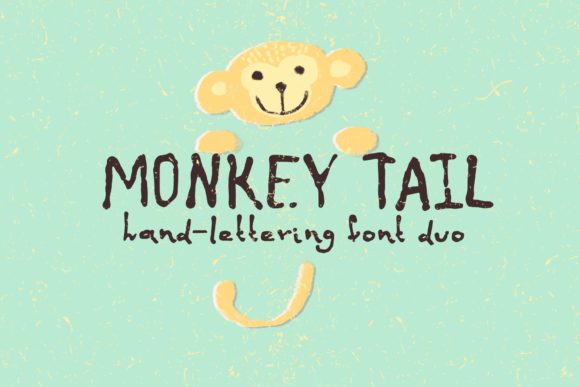
I opened a blank Figma file at 2 PM on a Tuesday, staring down the barrel of a tight deadline for a boutique children’s toy brand. The brief was simple but tricky: playful without being childish, modern without being sterile. I had already rejected three geometric sans-serifs and two overly serious serif pairings. They felt safe, sure, but they lacked soul. That’s when I dragged Monkey Tail into the canvas. It wasn’t just another decorative typeface; it immediately shifted the entire energy of the layout. As an experienced brand designer, I don’t rely on fonts that scream for attention—they need to whisper confidence while still turning heads. Monkey Tail is a cool and cartoon-like display font that strikes that rare balance between whimsy and structural integrity.
In this review, I’m breaking down how this font performed in a realistic branding project, from logo drafts to packaging mockups. If you are looking for Fonts that bring personality to your visual identity system, read on to see if Monkey Tail deserves a spot in your toolkit.
Monkey Tail for Children’s Game Branding and Playful Identities
The moment I placed Monkey Tail on a concept for a local board game café, the design clicked. This is not a font designed for corporate memos or legal disclaimers. It is explicitly crafted as a display typeface meant to evoke joy, movement, and creativity. When testing it for a children’s game box cover, the rounded terminals and slightly irregular baseline gave the typography a hand-drawn, tactile feel that digital sans-serifs often struggle to replicate.
For designers working in the kids’ niche, finding a typeface that doesn’t look like a clip-art staple is difficult. Monkey Tail avoids the "cheap" look by maintaining consistent stroke weights and clean geometry underneath its playful exterior. In my test, I used it for the main product name, keeping the text large and bold. The result was a logotype that felt inviting to parents and exciting to kids simultaneously. It proves that a creative font can drive engagement without sacrificing readability, provided it is used at appropriate scales.
Monkey Tail in Packaging Design and Product Label Mockups
One of the biggest challenges in packaging design is making a label stand out on a crowded shelf. I took Monkey Tail and applied it to a mockup for a handmade soap line targeting a younger, trend-conscious demographic. The goal was to create a "lovely touch" that suggested natural ingredients mixed with fun aesthetics.
When rendered on a curved cylindrical package, the font held up surprisingly well. Its distinct character shapes prevented it from blending into the background graphics. However, I noticed that its effectiveness relies heavily on contrast. Against a busy patterned background, the white space around the letters became crucial. For packaging design, I recommend using Monkey Tail as a headline accent rather than a body text filler. It works best when paired with a neutral, clean sans serif font for ingredient lists and legal text. This pairing creates a strong visual hierarchy, allowing the brand name to pop while ensuring compliance and clarity for the consumer.
Monkey Tail for Social Media Graphics and Digital Headers
In the world of social media, scroll-stopping visuals are non-negotiable. I tested Monkey Tail across various Instagram post templates and YouTube thumbnail headers. Because it is a display font, it commands attention quickly. On a flat-lay photo of craft supplies, overlaying the word "CREATE" in Monkey Tail added an instant layer of personality that static text couldn't achieve.
For content creators and small business owners, consistency is key to building a recognizable brand identity. Monkey Tail offers enough unique character to serve as a signature element in your design assets. Whether you are designing event flyers, promotional banners, or email newsletter headers, this typeface adds a cohesive thread of fun. I found that using it in all-caps with wide letter-spacing worked particularly well for web design hero sections, creating a modern yet approachable vibe that resonates with audiences looking for authenticity over corporate polish.
Monkey Tail Limitations and Best Practices for Commercial Use
No typeface is a silver bullet, and Monkey Tail has specific boundaries where it should not be used. Due to its decorative nature, it is ill-suited for long-form body copy, editorial design articles, or any scenario requiring high-density text. Trying to set a paragraph in Monkey Tail results in visual fatigue for the reader. Additionally, because of its stylized forms, legibility drops significantly at small sizes (below 12pt). Therefore, it should strictly be treated as a headline or logo font.
For brand designers, proper font pairing is essential. Since Monkey Tail brings significant visual weight and personality, it pairs beautifully with understated typefaces. A minimalist serif font can add elegance to balance the cartoonish energy, while a clean script font might compete too much for attention. I recommend sticking to neutral sans-serifs for supporting text to let Monkey Tail shine.
Before finalizing any client work involving Monkey Tail, always verify the commercial licensing terms. While many premium fonts allow for broad commercial use, restrictions may apply regarding merchandise resale, template distribution, or unlimited print runs. Ensure you have the correct license for your specific use case, whether it’s a digital product, a physical print-on-demand item, or a permanent brand identity system.
Monkey Tail for Handmade Shop Branding and Boutique Logos
Finally, I explored Monkey Tail in the context of Etsy-style handmade shops and boutique branding. These businesses often rely on storytelling and personal connection. The font’s "lovely touch" aligns perfectly with brands that want to appear accessible and friendly. I created a sample business card and shop sign concept where Monkey Tail served as the primary logotype. The result was warm and inviting, effectively communicating the brand’s values before the customer even reads the tagline.
If you are a freelancer or entrepreneur looking to inject character into your brand identity, Monkey Tail is a strong contender. It bridges the gap between professional design and artistic expression. By testing it in real-world scenarios—logo drafts, packaging, and digital layouts—I found it to be a versatile tool for any project requiring a cheerful, engaging aesthetic. It is more than just a font; it is a mood setter.